Debt can feel like a heavy weight that never quite lifts. Credit card balances grow with interest, student loans stretch across years or decades, and the idea of combining everything into one payment sounds tempting. The good news is that you can take control. This guide walks through practical steps for managing credit card debt, handling student loans, and deciding whether debt consolidation is the right move for your situation.
The strategies here are general information based on common financial principles. Individual circumstances vary, so consider consulting a trusted financial advisor, credit counselor, or student loan specialist for personalized advice.
Understanding the Different Types of Debt
Not all debt behaves the same way. Credit cards are typically revolving, unsecured debt with high variable interest rates. Missing payments or carrying balances can quickly inflate what you owe through compounding interest and fees. Student loans, by contrast, are usually installment debt with fixed terms. Federal student loans often come with borrower protections, income-driven repayment options, and potential forgiveness programs. Private student loans tend to have fewer protections and may carry higher rates depending on your credit.
Debt consolidation involves combining multiple debts into a single new loan or payment, ideally at a lower interest rate or with more manageable terms. It does not erase debt—it restructures it. When done thoughtfully, consolidation can simplify payments and reduce interest costs. When done poorly, it can extend the repayment timeline or cost more overall.
Recognizing these differences is the first step toward an effective plan.
Get a Clear Picture of Your Full Situation
Before choosing any strategy, gather accurate information.
List every debt: creditor name, current balance, interest rate (APR), minimum payment, and due date. Separate credit cards from student loans (and note which student loans are federal versus private). Check your credit reports from the major bureaus to confirm the details and spot any errors.

Calculate your total monthly minimum payments and the portion of your income they consume. Track your essential expenses—housing, food, transportation, utilities—and identify discretionary spending that could be reduced. Build a simple budget that shows
income versus outflows. Many people discover room to free up cash once they see the numbers clearly.
Also assess your emergency fund status. Having even a small buffer (ideally one to three months of essential expenses) prevents new debt when unexpected costs arise. If you have no savings, prioritize building a modest cushion while attacking high-interest debt.
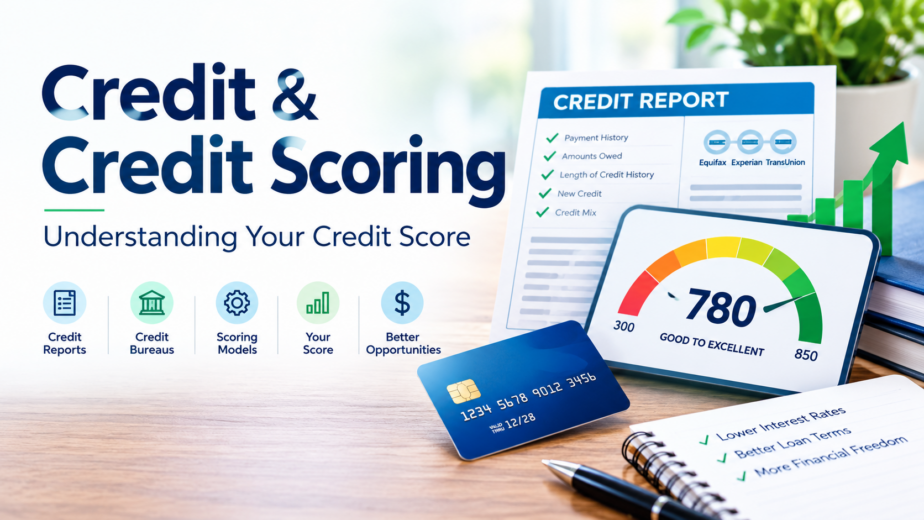
Finally, review your credit score. Better scores open doors to lower-rate consolidation options and better balance-transfer offers.

Tackling Credit Card Debt
Credit cards usually carry the highest interest rates, often well above those of student loans. This makes them a priority for most people.
Two popular payoff methods are the debt avalanche and the debt snowball. With the avalanche method, you pay the minimum on all cards and put every extra dollar toward the card with the highest interest rate. Once that balance is gone, roll the payment to the next-highest rate. This approach minimizes total interest paid. The snowball method focuses on the smallest balance first for quick psychological wins, then rolls payments to the next-smallest. Choose the method you are more likely to stick with—consistency matters more than theoretical optimization.
Other tactics include:
- Balance transfer cards: Some cards offer 0% introductory APR periods (often 12–21 months) on transferred balances. Transfer high-rate balances if you can pay them off before the promotional period ends and if transfer fees (commonly 3–5%) do not outweigh the interest savings. Avoid new purchases on the card during the promo period if possible.
- Negotiating with creditors: If you are struggling, contact the card issuer. Some offer temporary hardship programs, reduced interest rates, or settlement options for accounts in distress. Be prepared to explain your situation and propose a realistic plan.
- Stopping new charges: Cut up cards or freeze them if necessary. Use cash or a debit card for daily spending while you pay down balances.
- Increasing payments strategically: Apply windfalls (tax refunds, bonuses, side-income) directly to the highest-rate card.
Avoid minimum payments only. Paying just the minimum can stretch repayment for years and multiply the total cost through interest.
Managing Student Loans Effectively
Student loans require a different approach because of their unique features, especially federal ones.
For federal loans, explore repayment plans. Standard plans offer fixe
d payments over 10 years. Graduated plans start lower and increase. Income-driven repayment (IDR) plans base monthly payments on income and family size, with remaining balances potentially forgiven after 20–25 years of qualifying payments. Public Service Loan Forgiveness (PSLF) can forgive remaining balances after 120 qualifying payments for those in eligible public-service jobs. Keep careful records of payments and employment certifications.

Private student loans generally lack these flexible options. Refinancing may lower the rate if your credit and income have improved since the loans were originated. Compare offers carefully—refinancing federal loans into private ones means losing federal protections.
Other strategies include:
- Making extra payments when possible, directed toward principal.
- Autopay for potential interest-rate discounts.
- Checking for employer student-loan repayment assistance benefits.
- Exploring temporary forbearance or deferment only as a last resort, since interest may continue to accrue.
If multiple federal loans exist, consolidating them through the federal Direct Consolidation Loan program can simplify payments into one and potentially open certain repayment plans, though it may reset some forgiveness clocks or eliminate certain benefits. Weigh this carefully.
Debt Consolidation: How It Works and When It Helps
Debt consolidation replaces multiple debts with a single new obligation. Common methods include:
- Personal consolidation loans: Unsecured loans from banks, credit unions, or online lenders. Approval and rates depend on credit, income, and debt-to-income ratio. A lower fixed rate and set term can reduce interest and create a clear end date.
- Balance-transfer credit cards: Useful primarily for credit card debt, as described earlier.
- Home equity loans or HELOCs: These use your home as collateral and often offer lower rates. The risk is significant—failure to repay can lead to foreclosure.
- 401(k) loans or other retirement borrowing: Generally discouraged because of opportunity cost, taxes, and penalties if not repaid properly.
- Debt management plans through nonprofit credit counseling agencies: These negotiate lower rates with creditors and set up a single monthly payment. They typically last 3–5 years and may affect credit temporarily.
Consolidation works best when:
- You can secure a meaningfully lower interest rate.
- You have steady income and a realistic plan to repay the new loan.
- You will not continue adding new debt.
- The new term does not stretch payments so long that total interest exceeds the original amount.
It is less suitable if your credit is poor (leading to high rates on the new loan), if you lack discipline around spending, or if most of your debt already carries low rates (common with some federal student loans).
Pros and Cons of Consolidation
Potential advantages:
- Simplified finances with one payment and one due date.
- Possible lower overall interest rate and reduced total cost.
- Fixed repayment timeline that can feel more manageable.
- Potential credit-score improvement over time as utilization drops and on-time payments build history.
Potential drawbacks:
- Fees (origination, balance-transfer, or closing costs) that can offset savings.
- Longer repayment period that increases total interest even at a lower rate.
- Risk of turning unsecured debt into secured debt (home equity products).
- Loss of federal student loan benefits if consolidating into a private loan.
- Temptation to run up new balances on paid-off cards.
Run the numbers carefully. Compare the total cost of your current debts versus the proposed consolidation loan, including all fees.
Building a Comprehensive Action Plan
Combine the pieces into a realistic sequence:
- Complete your debt inventory and budget.
- Build or maintain a small emergency fund.
- Attack high-interest credit card debt aggressively using avalanche or snowball methods, balance transfers, or a consolidation loan if rates improve.
- Optimize student loan repayment—choose the best federal plan or consider refinancing private loans.
- Decide on consolidation only after comparing total costs and protections.
- Automate payments where possible and track progress monthly.
- Adjust lifestyle: cut non-essential spending, increase income through side work or career moves if feasible, and avoid new debt.
- Review progress every three to six months and celebrate milestones.
Track net worth or total debt balance rather than focusing solely on individual accounts. Seeing the overall number decline provides motivation.
Common Pitfalls to Avoid
- Ignoring the problem until accounts become delinquent.
- Using consolidation as a quick fix without changing spending habits.
- Closing old credit cards after paying them off (this can hurt credit utilization and average age of accounts).
- Taking on new debt during or immediately after consolidation.
- Overlooking tax implications of forgiven debt in certain situations.
- Choosing the longest possible repayment term simply because the monthly payment looks smaller.
When to Seek Professional Help
If debt feels overwhelming, payments are unmanageable, or you are considering bankruptcy, reach out for support. Nonprofit credit counseling agencies (look for those affiliated with the National Foundation for Credit Counseling) offer free or low-cost budgeting help and debt management plans. Student loan specialists or your loan servicer can clarify federal options. For complex situations involving multiple high balances or legal issues, a fee-only financial planner or bankruptcy attorney may be appropriate.
Avoid for-profit “debt settlement” companies that promise large reductions while charging high fees and potentially damaging credit further.
Staying Motivated and Preventing Future Debt
Progress takes time. Break large goals into smaller milestones—paying off one card, reducing total debt by a certain percentage, or reaching a target credit utilization. Share goals with a trusted friend or accountability partner if that helps.
Once debt is under control, shift focus to prevention: maintain an emergency fund, live below your means, use credit cards only for planned purchases you can pay in full each month, and continue building positive credit history. Consider automatic transfers to savings or investments so that money is directed toward future goals rather than new debt.
Bringing it All Together
Tackling credit card debt, student loans, and the question of consolidation requires clarity, consistent action, and realistic expectations. Start by understanding exactly what you owe and what it costs. Prioritize high-interest balances while optimizing student loan terms. Use consolidation selectively when the math and the protections make sense. Pair these steps with a workable budget and disciplined spending, and the weight of debt becomes manageable.
Thousands of people successfully reduce or eliminate these burdens every year by following structured approaches like the ones outlined here. Progress may be gradual, but each payment moves you closer to financial breathing room. Take the first step today—list your debts, build or refine your budget, and choose one concrete action you can complete this week. Momentum builds from there.